Luxury branding is the process of creating and promoting a brand or product as a symbol of high-end quality, exclusivity and prestige. Luxury brands are associated with a high level of craftsmanship, attention to detail and a superior level of performance, and they often come with a premium price tag. The goal of luxury branding is to set the product or service apart from the competition, create a perception of high value and, ultimately, increase customer loyalty and willingness to pay more.
Luxury branding often involves premium materials, superior design and exceptional customer service to create a unique and exclusive experience for the consumer. The brand's identity is built around the emotional connection it creates with its target audience, often through advertising, sponsorships and other forms of marketing communication. Successful luxury branding needs careful management of the brand's image and reputation, as well as the ability to adapt to changing consumer trends and preferences while keeping the brand's core values and identity.
What is Luxury Brand Identity?

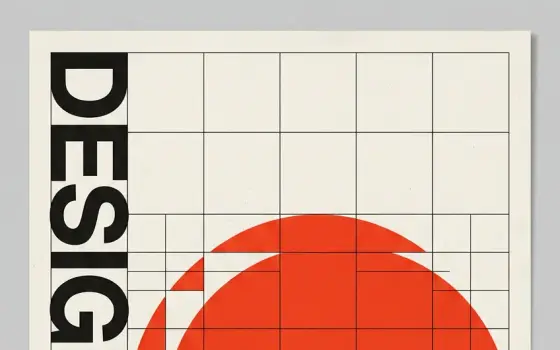
Luxury brand identity is the visual and verbal elements that create a unique and recognisable image for a luxury brand. It covers the brand's personality, values and image, and includes elements such as logo, typography, colours, packaging, messaging and overall visual style.
Luxury brand identity is critical for creating a distinctive image for a luxury brand and setting it apart from the competition. A strong luxury brand identity can communicate exclusivity, prestige, quality and craftsmanship, which are all essential characteristics of luxury brands.
The elements of luxury brand identity should be consistent across all brand touchpoints, including packaging, marketing materials, website, social media channels and physical stores. This consistency helps create a cohesive and memorable brand image that resonates with consumers and strengthens brand recognition.
Some examples of luxury brand identity include the iconic "LV" logo of Louis Vuitton, the minimalist and sophisticated visual style of Apple, and the classic and refined look of Rolex. These brands have established a clear and consistent brand identity that has become synonymous with luxury and exclusivity, contributing to their overall success and popularity.
How to Build a Strong and Successful Luxury Brand?
Building a strong and successful luxury brand can be a challenging and time-consuming process, but here are some general steps that can help:
Define your brand identity: the first step in building a luxury brand is to define your brand identity, which includes your brand values, personality and unique selling proposition. This will help you set your brand apart from the competition and create a clear message for your target audience.
Focus on quality and exclusivity: luxury brands are known for their high-quality materials, craftsmanship and exclusivity. It is therefore important to deliver a premium product or service that meets the needs of your target audience.
Create a unique customer experience: luxury brands often provide a unique and exclusive customer experience that sets them apart from the competition. This can be achieved through exceptional customer service, personalised experiences and attention to detail.
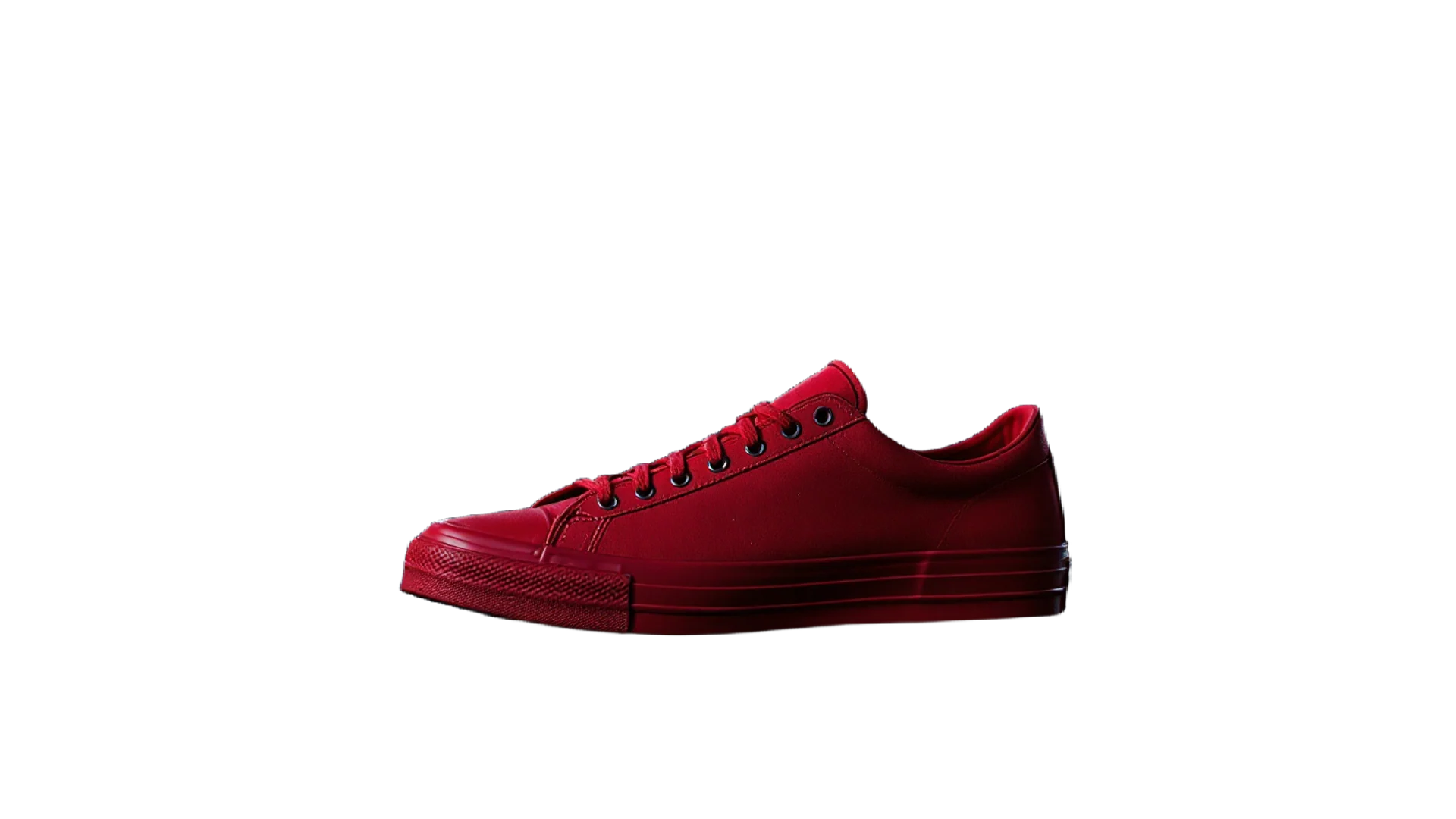
Build a strong visual identity: luxury brands often have a strong visual identity that communicates their brand values and personality. This includes elements such as logos, colour schemes and packaging design. Photography matters just as much: every product image should feel as considered as the product itself.
Invest in marketing and advertising: luxury brands often invest heavily in marketing and advertising to build awareness and create a sense of exclusivity and prestige. This can include traditional advertising, social media marketing and sponsorships.
Foster brand loyalty: building brand loyalty is essential for luxury brands. This can be achieved by providing exceptional customer service, offering exclusive benefits and creating a sense of community among your customers.
Continuously innovate: successful luxury brands are constantly innovating and adapting to changing consumer trends and preferences. This may involve launching new products, improving existing ones or exploring new distribution channels.
Overall, building a strong and successful luxury brand needs a focus on quality, exclusivity, customer experience, marketing and innovation, as well as a clear and consistent brand identity that resonates with your target audience.
If you are building a smaller premium brand and want to test how your visuals feel before investing in a full shoot, you can make product images yourself. The mockup generator shows your design on a real, photographed product, the background replacer sets a product in a refined scene, and relight adjusts the lighting for a softer, more premium look. See all tools.